


Manufacturing is evolving faster than ever. From aerospace to automotive design, and from construction to consumer goods, the materials chosen at the fabrication stage influence cost, longevity, workflow, and scalability. While steel and iron once dominated as the go-to choices, modern manufacturing is undergoing a shift — one increasingly powered by lightweight metals. This transition is more than a trend. It is a strategic response to efficiency, sustainability, and the global push toward cleaner, smarter production.
Lightweight metals reduce structural load, cut transport costs, and help deliver high-performance products that are easier to work with. Advances in metal forming techniques mean that industries can now produce components that are thinner, stronger, and more adaptable than ever before. For businesses, selecting the right metal is no longer purely a technical decision — it’s a strategic one that directly influences pricing, sustainability targets, and market competitiveness.
Manufacturing Efficiency Through Lightweight Design
Bulk production is no longer just about output volume — it’s about optimising what goes in, and what comes out after. Materials that are lighter significantly reduce machine wear, speed up cutting and shaping processes, and improve production floor ergonomics. Manufacturers aiming for lower carbon footprints also benefit, as lightweight components require less energy to process and transport.
Additionally, with consumer expectations rising around product performance, aesthetics, and environmental responsibility, brands across multiple sectors are refining their material use. Agricultural machinery manufacturers want rust-resistant parts, aerospace engineers need strong-but-light fuselage elements, and construction specialists look for adaptable metals that cut and drill with precision.
One Strategic Application Example
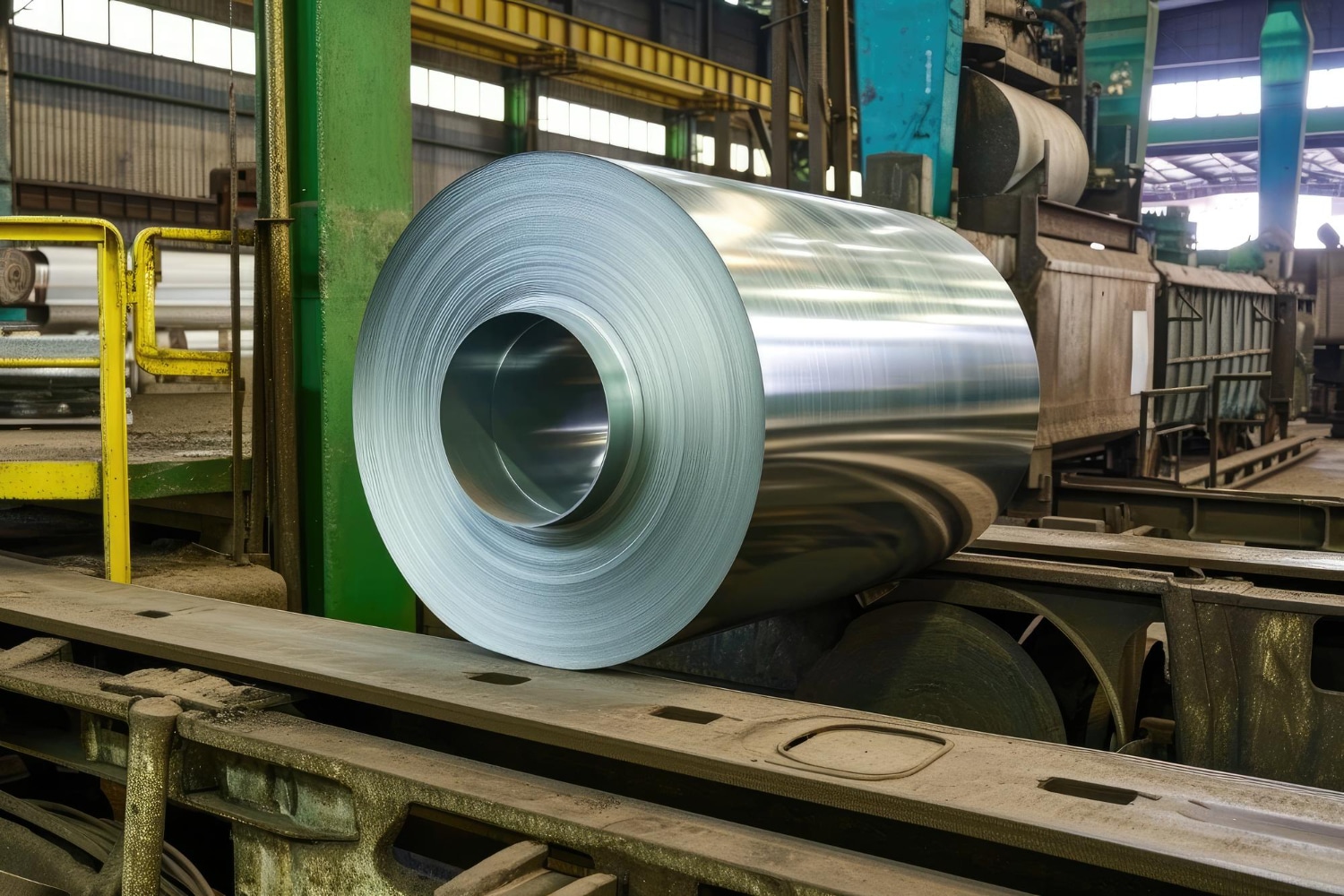
In practical scenarios, companies often turn to aluminium sheet when weight reduction and corrosion resistance are key considerations. Its malleability, conductivity, and high strength-to-weight ratio make it suitable for everything from vehicle panels and food packaging to HVAC systems and architectural cladding. Selecting such a material also reduces freight loads — an important cost and environmental factor in logistics-heavy sectors.
Sustainability and Market Demand
Sustainability targets are shaping business decisions more than ever. International climate regulations, recycling agendas, and the push for greener supply chains are steering the industry toward materials that can be reused with minimal loss. Lightweight metals fit perfectly into this direction — they require less energy to move, offer longer service life, and have high recyclability potential.
A 2024 outlook report on global manufacturing trends highlighted that material efficiency will be key to cost control over the next decade. Manufacturers who fail to adapt to streamlined production processes risk losing competitiveness as energy prices fluctuate and carbon penalties grow. Businesses that future-proof today gain the advantage tomorrow — and material selection sits at the heart of this.
Where Innovation Is Heading Next
We’re seeing gradual integration of metal hybrids, AI-guided cutting technology, and recycling-forward production lines. Smart factories are using sensors to track material stress, automation is boosting the consistency of fabrication quality, and researchers are experimenting with surface treatments that extend lifespan drastically.
Electric vehicles, aviation, and renewable energy infrastructure are creating demand for lighter, more efficient components. Offshore wind turbines require components that withstand corrosion. Battery casings need thermal stability. Consumer tech companies look for slim, aesthetically pleasing metals that dissipate heat well. All of this funnels into one direction: materials that deliver strength without unnecessary weight.
Challenges and Considerations
Despite clear advantages, lightweight metals come with challenges such as upfront material cost variation, specialist machining requirements, and occasionally lower tensile strength than heavier counterparts — depending on alloy type and intended load. Businesses adopting lightweight alternatives must work closely with suppliers, quality engineers, and designers to select appropriate thickness, grade, and treatment.
The businesses that succeed are those who balance performance with practicality. Understanding your application, environment, volume requirements, and expected stress load helps determine whether a particular lightweight metal fits your needs or whether an alternative blend would be better suited.
Conclusion
Manufacturing is heading toward a future driven by efficiency, sustainability, and intelligent material use. Lightweight metals offer an opportunity for businesses to streamline production, reduce operating costs, and deliver products that meet modern expectations. Forward-thinking companies are already leveraging these materials as a foundation for innovation — positioning themselves ahead as global demand accelerates.
Modern production isn’t just built — it’s engineered smartly.