


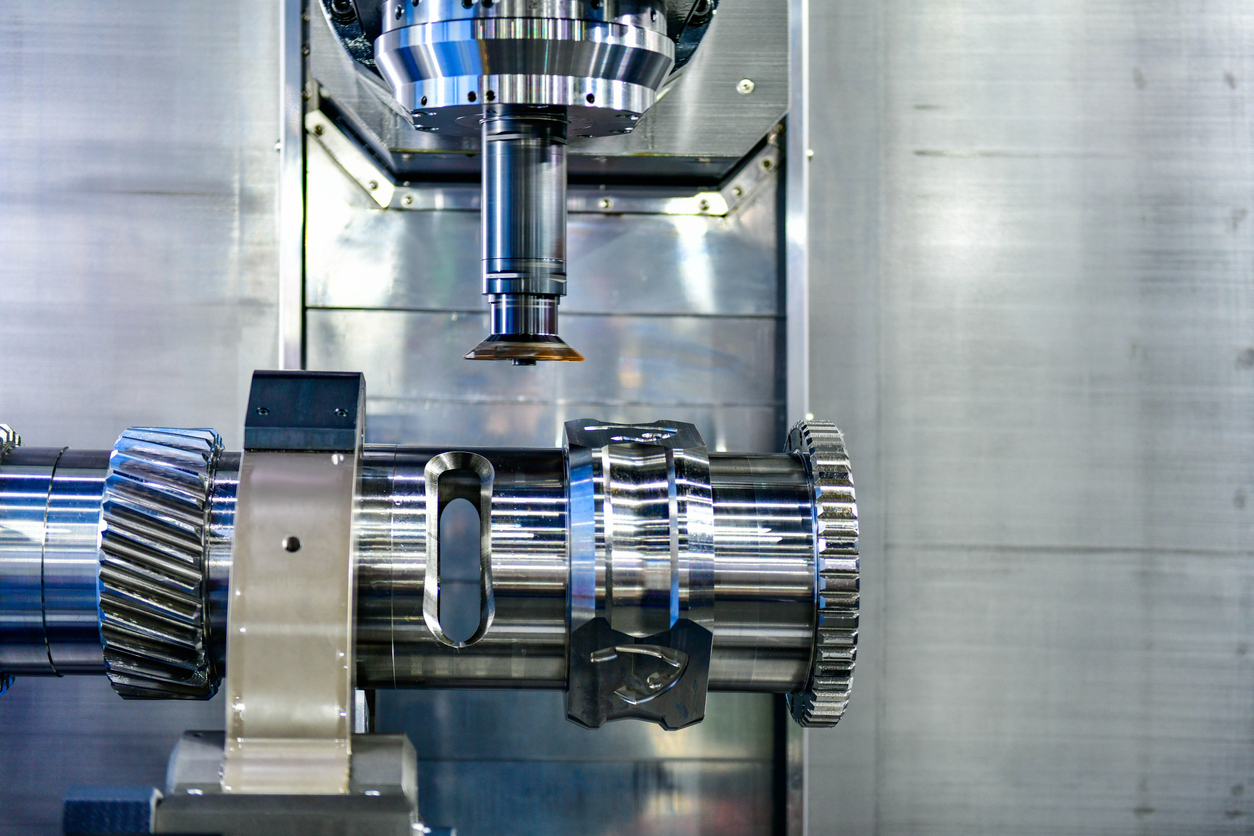
In an era where product quality and reliability can make or break a brand, precision machining stands out as a cornerstone of modern manufacturing. Whether you supply components for automotive, medical, aerospace or general industrial markets, delivering consistent parts with exact dimensions, flawless surfaces, and dependable performance is no longer optional — it’s essential.
Precision machining does more than just shape metal: it ensures that parts meet the demanding tolerances required for seamless fit, function and longevity. For many clients and industries, the difference between success and failure lies in the microns — the difference between smooth assembly and costly rework, or between safe operation and potential failure.
Why Precision Matters: The Key Benefits
Tight Tolerances and Dimensional Accuracy
One of the biggest advantages of precision machining lies in its ability to produce components that adhere to incredibly strict dimensional requirements. As noted by experts in precision manufacturing, grinding and finishing processes offer the accuracy many mainstream machining methods can’t match.
This level of accuracy ensures that parts consistently fit together as intended — whether they’re parts of a high-performance engine, a medical instrument, or a precision tool. It reduces waste, avoids mismatches, and brings reliability to assembly lines.
Consistent Surface Quality and Finish
Functionality often depends on surface quality made with a surface grinder. Smooth, even surfaces can reduce friction, wear, and fatigue, increasing component lifespan and improving performance.
Moreover, when components must mate closely — such as in tooling, dies, or medical devices — a high-quality surface finish isn’t just aesthetic. It’s a functional necessity.
Versatility Across Materials and Industries
Advanced machining techniques can handle a wide array of materials, from cast iron and mild steel to stainless steel, aluminum and certain plastics.
This versatility makes precision machining suitable for industries as varied as automotive, medical, aerospace, manufacturing tooling and general metalworking. It allows shops to serve multiple markets without needing completely separate processes for each.
Efficiency and Cost-Effectiveness in Production
Thanks to modern automation, CNC integration and improved machine designs (including stability features to reduce wear and vibration), shops can reach high throughput without sacrificing precision.
Over time, the reduced need for rework, scrap reduction, and lower rejection rates make precision machining not just a quality lever — but a cost-saving, profit-protecting investment.
The Role of Finishing Machines in Achieving Precision
To deliver the standards above, many manufacturers rely on specialized tools — and among them, one precision-focused machine plays a pivotal role: the classic abrasive finishing machine that smooths and flattens surfaces with extreme accuracy.
This equipment uses an abrasive wheel, a stable workholding system (like magnetic or mechanical chucks), and precise control over table movement and wheel depth to remove just the right amount of material.
Through carefully controlled passes — often removing small increments of material at a time — the process ensures flatness, parallelism, and surface finish quality that are often unattainable through milling or cutting alone.
In applications such as die manufacturing, mold finishing, tool bases, or parts requiring exceptionally flat and smooth surfaces, this method is often the final, critical step before assembly or delivery.
Investing in Precision: Why It Pays Off for Your Business
Reducing Defects — Increasing Reliability
When components meet precise size and surface specifications consistently, there’s less risk of assembly issues, component failure or premature wear. This reduces warranty claims, returns and downtime — boosting your reputation for quality and reliability.
Opening Doors to High-Spec Industries
Industries such as aerospace, medical devices, or high-performance automotive demand parts with near-zero tolerance and impeccable surface quality. By offering precision machining and fine finishing, your business becomes eligible to supply to these high-end markets — often at higher margins.
Long-Term Savings Through Efficiency
While the upfront cost of high-precision machinery may be significant, the long-term payoff is often substantial. Lower scrap rates, reduced rework, efficient throughput and less manual intervention all contribute to a better bottom line.
Moreover, the right finishing equipment can serve multiple projects and materials, giving lasting value.
Choosing the Right Finishing Solution for Your Shop
Selecting the appropriate finishing equipment and process depends on several factors: the material you’re working with; the size, number, and complexity of the parts; and the accuracy or surface finish required.
For simpler flat surfaces on medium-sized parts, the traditional horizontal-spindle grinders with peripheral abrasive wheels may suffice.
For larger surfaces — such as machine beds, castings, or large mold parts — vertical-spindle or “rotary table” style finishing machines (sometimes called “rotary grinders”) often deliver more consistent, uniform results.
Finally, maintenance, coolant systems, wheel selection and workholding all play a critical role: the right abrasive, properly dressed grinding wheels, and clean, well-managed coolant are essential to consistent performance.
Final Thoughts: Precision as a Competitive Advantage
In manufacturing, precision isn’t a luxury — it’s a differentiator. By embracing precision machining and the right finishing techniques, you can offer products that meet the most exacting standards, reduce waste, boost customer satisfaction, and open new market opportunities.
For any business looking to compete — now and in the future — investing in precision isn’t just about better products. It’s about building trust, reliability, and excellence into your brand’s reputation.