



Many people associate low energy with poor sleep, stress, or a busy lifestyle. While those factors can absolutely contribute to fatigue, they are not the only influences on how energised (or depleted) someone feels day to day.
One key system that quietly affects energy, temperature regulation, mood, and overall metabolic pace is the thyroid.
The thyroid is a small, butterfly-shaped gland located at the front of the neck. Despite its size, it plays an outsized role in how the body converts food into usable energy and how efficiently cells perform their basic functions.
Understanding thyroid function can help explain why some people feel persistently tired even when they are doing “the right things” with diet, sleep, and exercise.
What Does the Thyroid Do?
The thyroid produces hormones that help regulate metabolism. Metabolism is not just about weight — it’s the body’s overall energy management system, including how quickly cells use oxygen and nutrients to produce energy.
The main thyroid-related hormones include:
- T4 (thyroxine): the primary hormone produced by the thyroid (often considered a storage form)
- T3 (triiodothyronine): the more active form that affects metabolism at the cellular level
- TSH (thyroid-stimulating hormone): produced by the pituitary gland to signal the thyroid to produce T4 and T3
The body converts T4 into T3 in various tissues. If this conversion is not functioning optimally, a person may experience symptoms even when some lab values appear “within range.”
Why Thyroid Function Can Affect Energy So Strongly
Thyroid hormones influence how quickly cells generate and use energy. When thyroid activity is reduced, processes can slow down across multiple systems.
This may affect:
- How quickly energy is produced from food
- Body temperature and cold tolerance
- Heart rate and circulation
- Digestive motility
- Mood and mental clarity
- Muscle recovery and strength
Because energy is a whole-body experience, thyroid-related shifts can feel broad, affecting both physical stamina and mental sharpness.
Common Signs of Underactive Thyroid Patterns
Thyroid-related symptoms can overlap with many other conditions, so it’s important not to self-diagnose. However, people with reduced thyroid function often report combinations of the following:
- Persistent fatigue or low motivation
- Feeling cold more easily than others
- Dry skin or hair changes
- Constipation or slower digestion
- Brain fog or reduced concentration
- Low mood or irritability
- Unexplained weight changes
These symptoms are not exclusive to thyroid changes, but they can be part of the picture.
Thyroid Function, Metabolism, and Energy Balance
Many people first begin exploring thyroid health when they notice changes in weight or energy. This makes sense: thyroid hormones influence basal metabolic rate, which is the energy the body uses at rest.
That said, metabolism is influenced by many variables, including muscle mass, sleep quality, stress load, inflammation, and lifestyle patterns.
If you’re exploring how metabolism can shift over time, our article on why metabolism slows down after 30 explains some of the most common contributing factors.
The Stress Connection: Cortisol and Thyroid Signalling
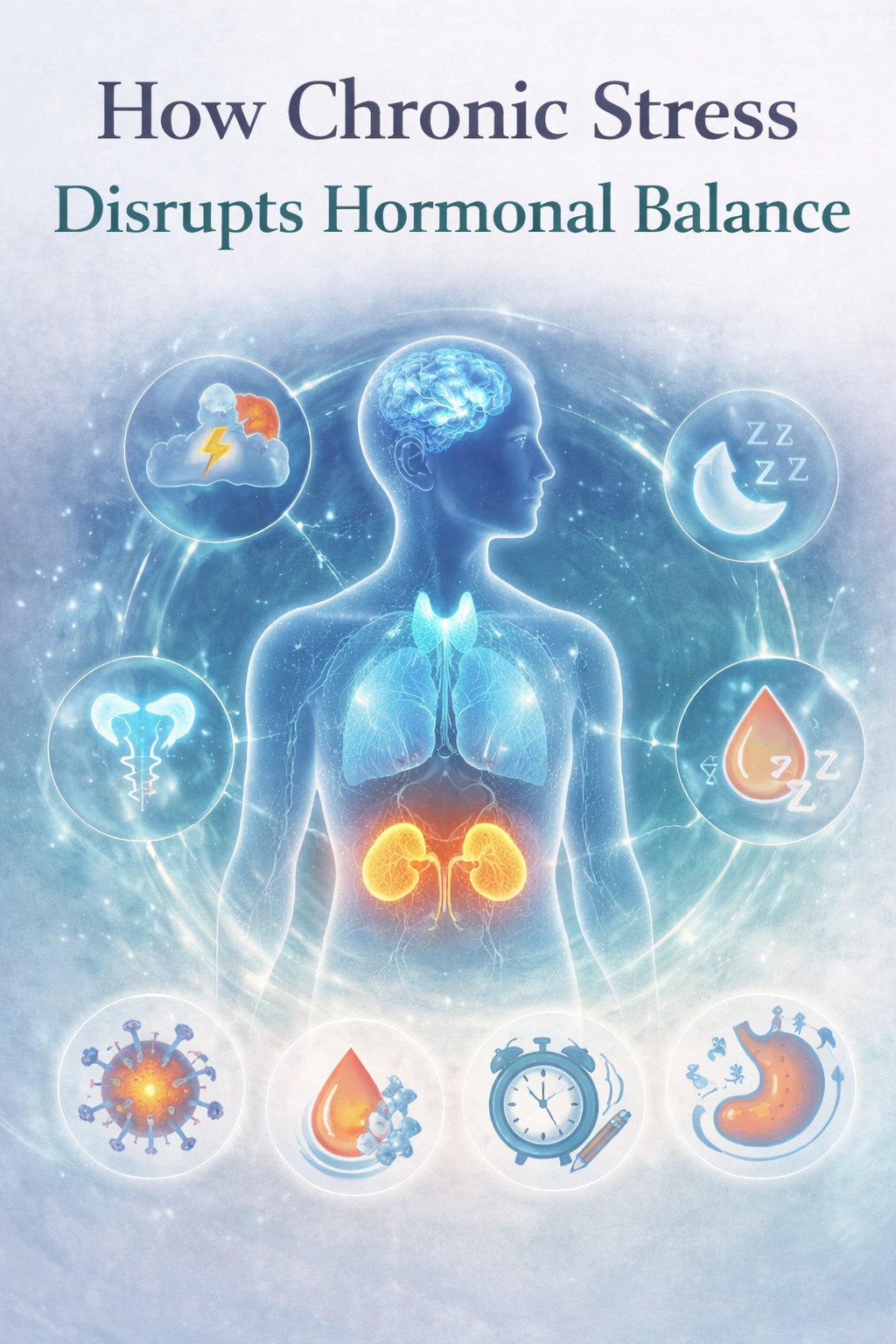
Stress does not directly “damage” the thyroid in most cases, but chronic stress can influence the body’s hormonal signalling environment.
When stress is persistent, cortisol patterns can shift. In some people, this can influence sleep quality, appetite regulation, and overall endocrine balance — all of which can contribute to fatigue patterns.
If you want a clearer understanding of how stress can affect multiple systems at once, see our guide to how stress affects the body.
Inflammation and Thyroid Symptoms
Inflammation can also play a role in energy regulation and hormone signalling. Some people experience fatigue and brain fog that may be influenced by low-grade inflammation and immune activation.
If fatigue has been persistent and difficult to explain, you may find it useful to read our article on supporting inflammatory balance naturally,
as well as our deeper discussion on the relationship between inflammation and fatigue in everyday life.
What Tests Are Commonly Used?
Healthcare professionals may use lab tests to assess thyroid function. Common tests include:
- TSH
- Free T4
- Free T3 (sometimes included)
- Thyroid antibodies (in some cases)
Interpreting results should always be done with a qualified clinician, particularly because symptoms can have multiple potential causes and lab ranges can vary.
Supporting Energy Levels Day to Day
Even before testing, many people benefit from focusing on the basics that support energy regulation:
- Sleep: consistent sleep timing and quality can support hormonal rhythm
- Nutrition: a balanced diet with adequate protein and micronutrients supports energy production
- Hydration: maintaining fluid balance supports circulation and cognitive function
- Movement: regular activity supports metabolic health and mood
- Stress management: reducing chronic stress load can improve recovery and sleep quality
If sleep has been a challenge, our guide on how to improve sleep naturally offers practical suggestions that are easy to implement.
Likewise, if you want a simple overview of how hydration supports wellbeing, see the importance of hydration.
When to Seek Medical Advice
Fatigue can have many causes, including anaemia, vitamin deficiencies, sleep disorders, chronic stress, hormonal changes, and medical conditions.
If you experience persistent fatigue alongside symptoms such as rapid weight change, heart palpitations, significant mood changes, or ongoing digestive disruption, it’s important to speak with a healthcare professional.
Final Thoughts
The thyroid plays a central role in metabolism and energy regulation. When thyroid hormone signalling is disrupted, a person may feel it in multiple ways — from physical stamina and recovery to mood and mental clarity.
Because symptoms can overlap with stress, sleep disruption, and inflammation, a whole-body view is often helpful. Supporting foundational health habits while seeking appropriate medical guidance is the most reliable approach for long-term wellbeing.