



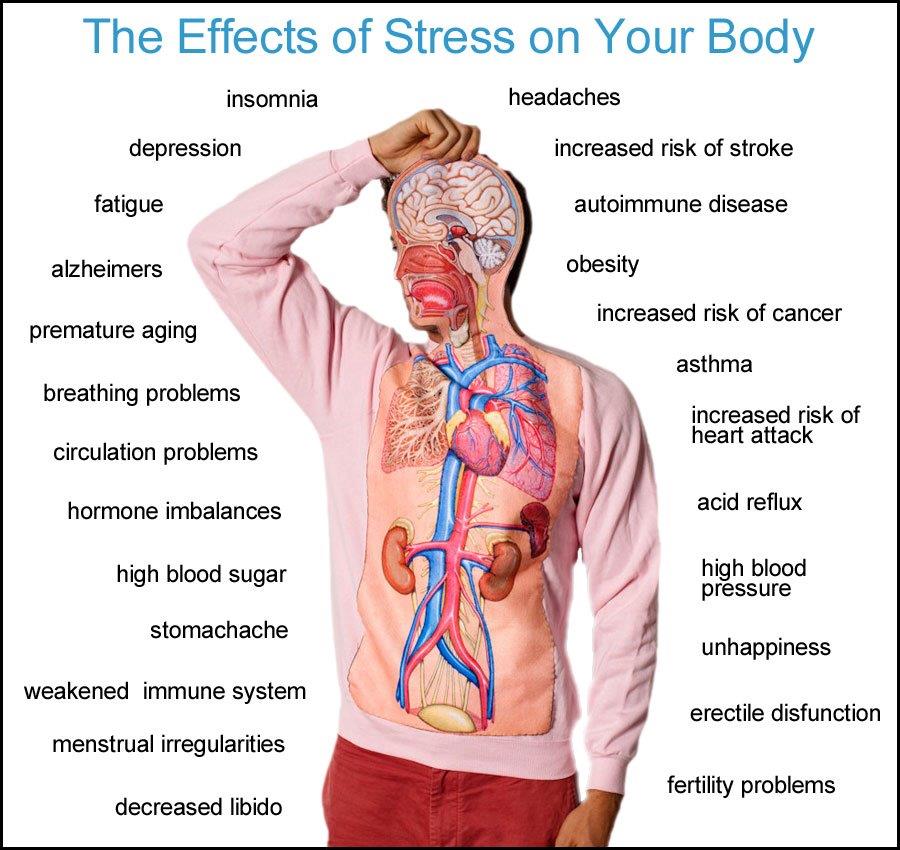
Stress has become such a normal part of modern life that many people barely notice how much it affects them. But the body is always listening—responding to emotional pressure, workload, relationships, financial strain, and even subtle daily frustrations. While short bursts of stress can be useful, chronic stress slowly impacts both physical and mental health.
Understanding how stress works gives you the power to regain control. Small, consistent habits can help reset your nervous system, improve resilience, and bring your body back into balance.
1. What Actually Happens in Your Body During Stress?
When you feel stressed, your brain signals the release of cortisol and adrenaline—hormones that prepare you for action. This is helpful in urgent situations, but when stress is constant, these hormones stay elevated, affecting:
- Sleep
- Digestion
- Blood pressure
- Mood
- Immunity
- Appetite
Over time, chronic stress can lead to fatigue, irritability, headaches, digestive issues, and lowered immunity.
2. Stress and Digestive Health
The gut and brain are deeply connected. Stress can disrupt digestion, leading to bloating, cramps, constipation, or loose stools. It can also trigger flare-ups in people with IBS or sensitive stomachs.
Calming your mind often improves digestive symptoms more effectively than changing your diet alone.
3. Stress, Sleep, and Energy Levels
High cortisol levels interfere with restful sleep. Even if you fall asleep, you may wake up during the night or feel unrefreshed in the morning. Poor sleep, in turn, increases stress—creating a cycle that’s hard to break.
Improving evening routines, reducing screens, and practising relaxation techniques can help reset this cycle.
4. Emotional Signs of Chronic Stress
Stress doesn’t only affect the body—it also shapes your thoughts and emotions. Common signs include:
- Feeling overwhelmed
- Difficulty concentrating
- Racing thoughts
- Irritability
- Loss of motivation
- Mood swings
If these feelings persist, your body may be signalling that it needs support.
5. Simple, Effective Stress-Reduction Techniques
You don’t need complex programs to reduce stress. Small actions done daily have the biggest impact:
- Deep breathing exercises calm the nervous system
- Walking outdoors helps clear the mind
- Stretching or gentle yoga releases muscle tension
- Meditation or mindfulness trains the brain to slow down
- Listening to calming music reduces cortisol
- Writing or journaling helps process thoughts
The key is consistency, not perfection.
6. Social Connection and Support
Talking to someone you trust—whether a friend, partner, or therapist—can significantly reduce stress. Human connection triggers the release of oxytocin, a hormone that naturally counteracts cortisol.
Even short conversations can lighten emotional load.
7. Nutrition Matters More Than People Think
Certain foods help stabilise mood and energy, including:
- Leafy greens
- Nuts and seeds
- Whole grains
- Oily fish
- Berries
- Herbal teas
Limiting caffeine, alcohol, and excessive sugar can reduce stress-related crashes and irritability.
8. When to Seek Professional Help
If stress feels unmanageable, causes persistent anxiety, interferes with daily life, or leads to physical symptoms, professional support can make a big difference. Therapists, counsellors, or doctors can help identify underlying causes and create an effective plan.
Stress is part of life, but it doesn’t have to control your wellbeing. With awareness and consistent habits, you can reduce its impact and create a calmer, stronger foundation for daily living.