


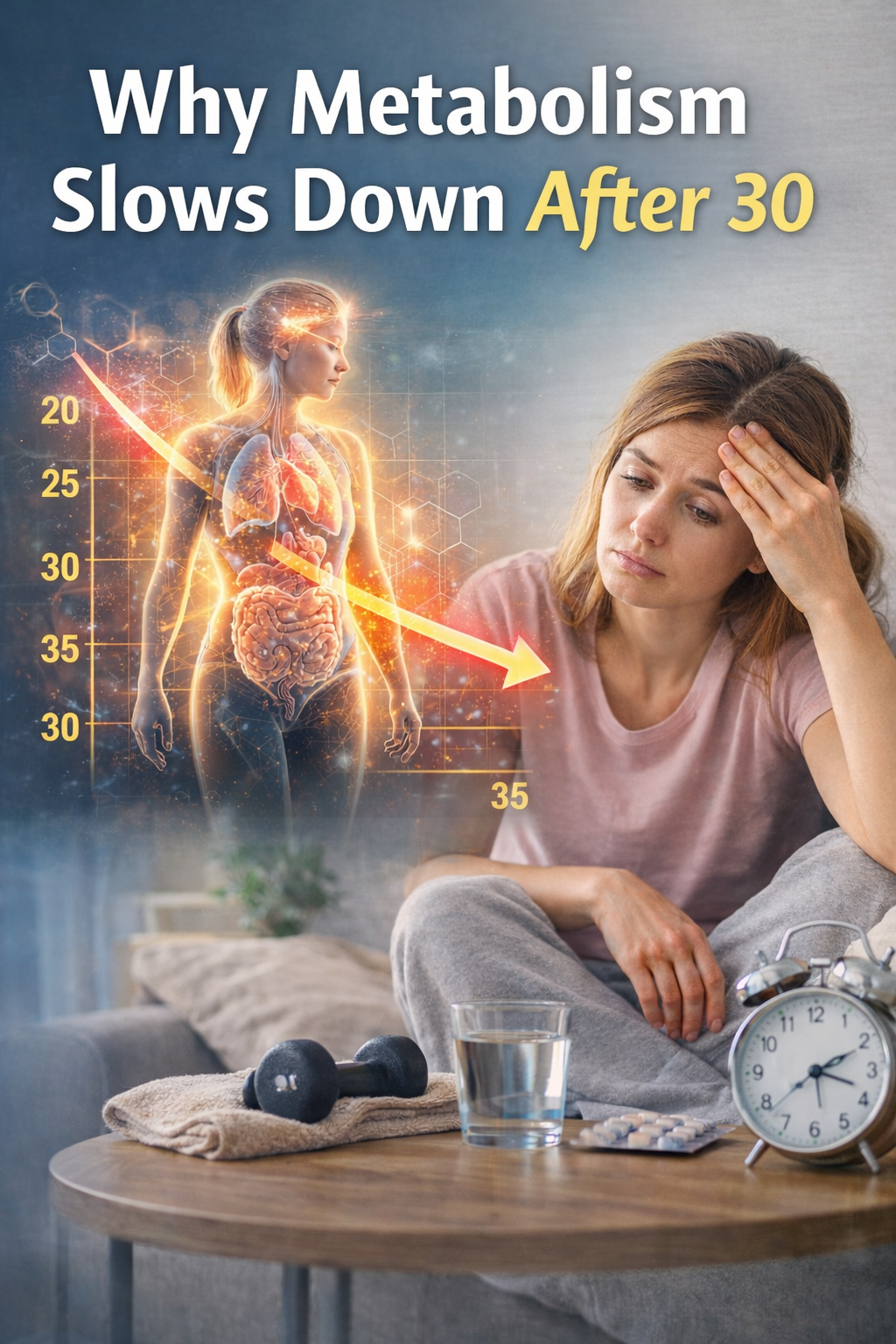
As people move through their thirties and beyond, many begin to notice subtle changes in how their bodies respond to food, exercise, and recovery. Weight that once shifted easily may feel more resistant. Energy levels may fluctuate. Recovery from workouts can take longer.
It is common to hear the phrase “my metabolism has slowed down,” but what does that actually mean?
Metabolism refers to the complex network of chemical processes that convert food into energy and maintain essential bodily functions. While it is true that metabolic rate changes over time, the reasons are more nuanced than many assume.
Understanding those shifts can help explain why certain patterns emerge later in adulthood.
What Is Metabolism?
Metabolism includes all the biochemical reactions occurring in the body. For practical discussion, it is often divided into:
- Basal Metabolic Rate (BMR) – the energy your body uses at rest
- Thermic Effect of Food – energy required to digest and process nutrients
- Activity Expenditure – energy used through movement and exercise
Basal metabolic rate accounts for the majority of daily energy use. This is influenced by factors such as:
- Muscle mass
- Hormonal balance
- Age
- Genetics
- Overall health status
As we age, several of these variables naturally shift.
Muscle Mass and Age
One of the most significant contributors to metabolic change is gradual loss of lean muscle mass.
Muscle tissue is metabolically active. It requires more energy to maintain than fat tissue. Beginning in the thirties, adults can lose small amounts of muscle each year if resistance training is not maintained.
Less muscle mass means:
- Lower resting energy expenditure
- Reduced glucose utilisation
- Slower overall metabolic turnover
This shift is subtle but cumulative.
Maintaining resistance exercise becomes increasingly important with age.
Hormonal Changes Over Time
Hormones play a central role in regulating metabolism. Several hormonal systems evolve across adulthood.
Thyroid Function
Thyroid hormones influence how quickly cells convert nutrients into usable energy. Even mild fluctuations in thyroid activity can affect:
- Energy levels
- Cold sensitivity
- Body composition
- Mood
Insulin Sensitivity
With age, some individuals experience gradual changes in insulin responsiveness. This may influence how efficiently glucose is processed and stored.
Sex Hormones
Oestrogen and testosterone levels naturally shift with age. These hormones influence muscle maintenance, fat distribution, and metabolic rate.
Even small changes in hormonal signalling can influence how the body manages energy.
Lifestyle Accumulation
Beyond biology, lifestyle factors accumulate over time.
By age 30 and beyond, individuals often:
- Experience higher stress levels
- Sleep less consistently
- Sit for longer periods
- Juggle career and family responsibilities
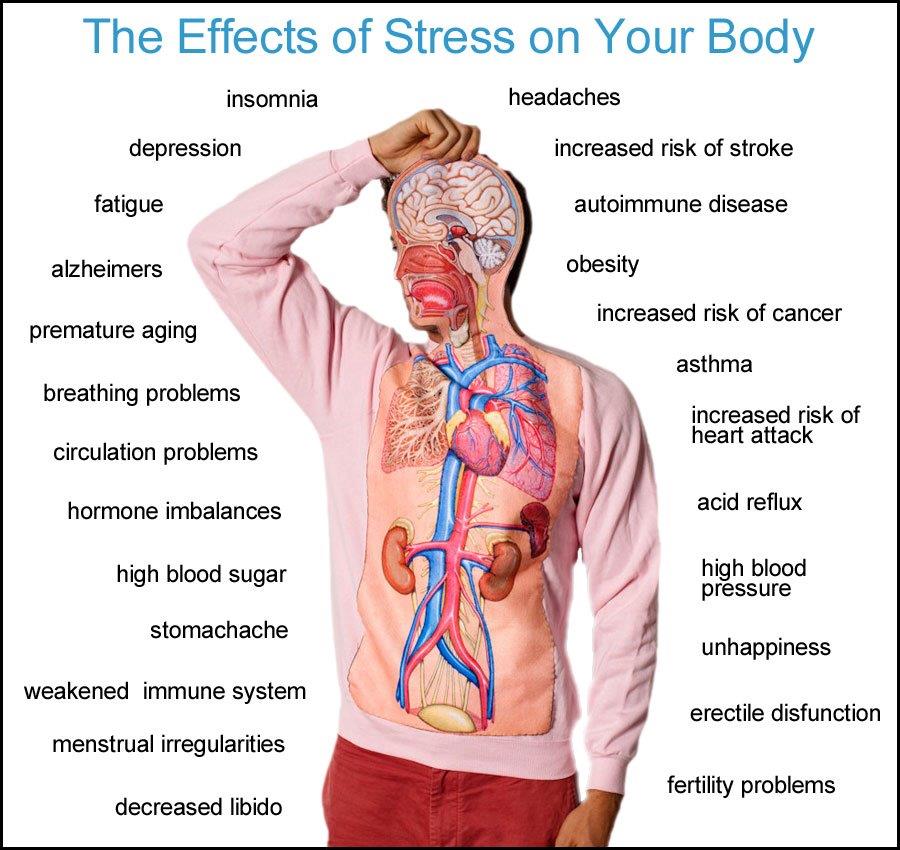
Chronic stress can influence cortisol levels, which in turn affect appetite, energy storage, and recovery.
Sleep disruption also plays a role in regulating hunger hormones such as leptin and ghrelin.
Metabolism does not operate in isolation. It responds to environment and behaviour.
Metabolic Adaptation
Another factor is metabolic adaptation.
When individuals engage in repeated cycles of dieting, the body may respond by lowering energy expenditure to conserve resources. This protective mechanism evolved to prevent starvation but can make long-term weight regulation more complex.
Over time, repeated restrictive patterns may alter how efficiently energy is utilised.
The Role of Physical Activity
Modern life is less physically demanding than previous generations. Even small reductions in daily movement can influence overall energy expenditure.
Non-exercise activity — such as walking, standing, and general movement — contributes significantly to daily metabolic output.
As responsibilities increase, spontaneous movement often decreases without people realising.
Does Metabolism Truly “Crash”?
For most people, metabolism does not suddenly collapse after 30. Instead, it shifts gradually.
Research suggests metabolic rate remains relatively stable through early adulthood and declines more noticeably later in life. However, lifestyle, muscle mass, sleep quality, and stress often create earlier perceived changes.
The experience of “slower metabolism” is typically multifactorial rather than a single switch being flipped.
Supporting Metabolic Health
While ageing cannot be reversed, metabolic health can be supported through:
- Resistance training
- Adequate protein intake
- Quality sleep
- Stress management
- Consistent movement
Understanding the underlying mechanisms helps individuals make informed decisions rather than attributing changes solely to age.
Final Thoughts
Metabolism after 30 changes gradually due to shifts in muscle mass, hormonal regulation, lifestyle patterns, and adaptive mechanisms.
Rather than viewing metabolic change as failure, it can be understood as a dynamic biological adjustment.
Awareness allows for smarter long-term strategies that respect the body’s evolving physiology.